Not every model needs a data centre. On-device inference cuts the cloud bill, answers faster, keeps private data home, and works when the internet doesn't. Here is the honest version, including where hardware says stop.
The default picture of AI is a request flying to a giant server and an answer flying back. The edge story is the reverse: the model comes to the data, to the phone, the camera, the box under the desk, and the answer never leaves the room. Through 2025 this was a hobbyist niche. The chips caught up with the maths and the small models got good enough that it became a strategy, and it is worth understanding because it changes the cost structure of almost everything else on this blog.
The four real reasons
Cost is the blunt one. Every call you serve locally is a call you do not rent, and at volume the cloud bill stops being an expense and starts being a salary. Latency is the one you feel: a voice assistant that answers without a round trip stops being a walkie-talkie and starts being a conversation. Privacy is the one that wins deals: faces, health readings, cash-office records, none of it leaves the building, which answers the objection that ends most AI pilot projects. And resilience, the least discussed: the internet goes down, the shift still runs.
Where the hardware says stop
Edge models are small by necessity. A phone or a stick PC runs models in single-digit billions of parameters, compressed, where the cloud juggles hundreds. So edge AI is a specialist, and a good one: transcription, translation, camera detection, tight assistants with fixed tools. It is not the research librarian, and anyone selling it as that is selling you back the cloud bill you were trying to cut.
The architecture that wins is hybrid and boring. The device handles the fast, private, repetitive ninety percent; the genuinely hard tenth phones home to a bigger model. That one routing decision, made once, is what turns an AI feature from a variable-cost liability into a mostly-fixed-cost asset.
And the starting point is now embarrassingly cheap. An $89 developer board runs a small language model and vision on the same few watts that used to power a router. A $600 mini PC runs the assistant you'd otherwise rent. The question stopped being whether local AI is possible and became which box, which is the kind of question you can answer at a desk with a coffee.
Kit for this lesson
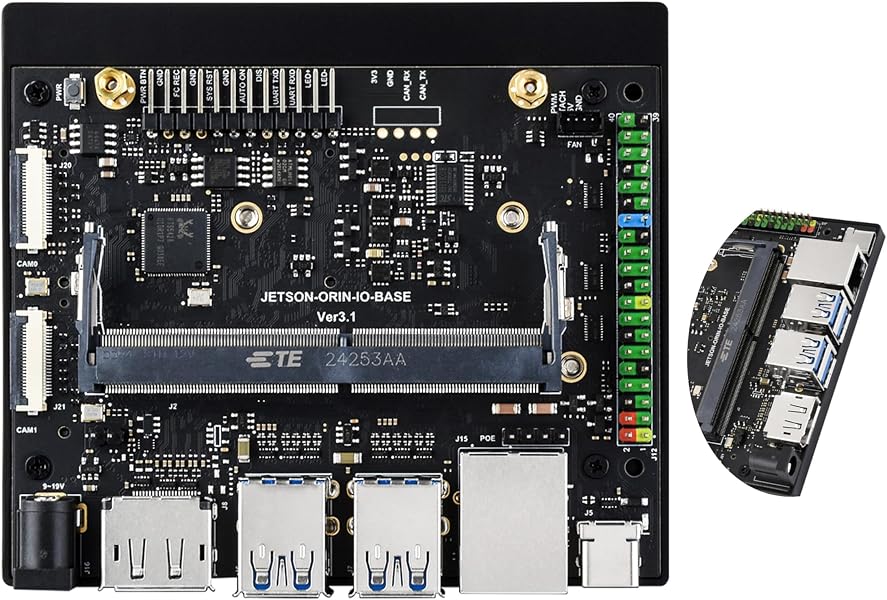
The standard classroom board for this subject. An Orin-class dev kit runs vision models and small language models on a few watts, and the lessons transfer straight onto production hardware.
View on Amazon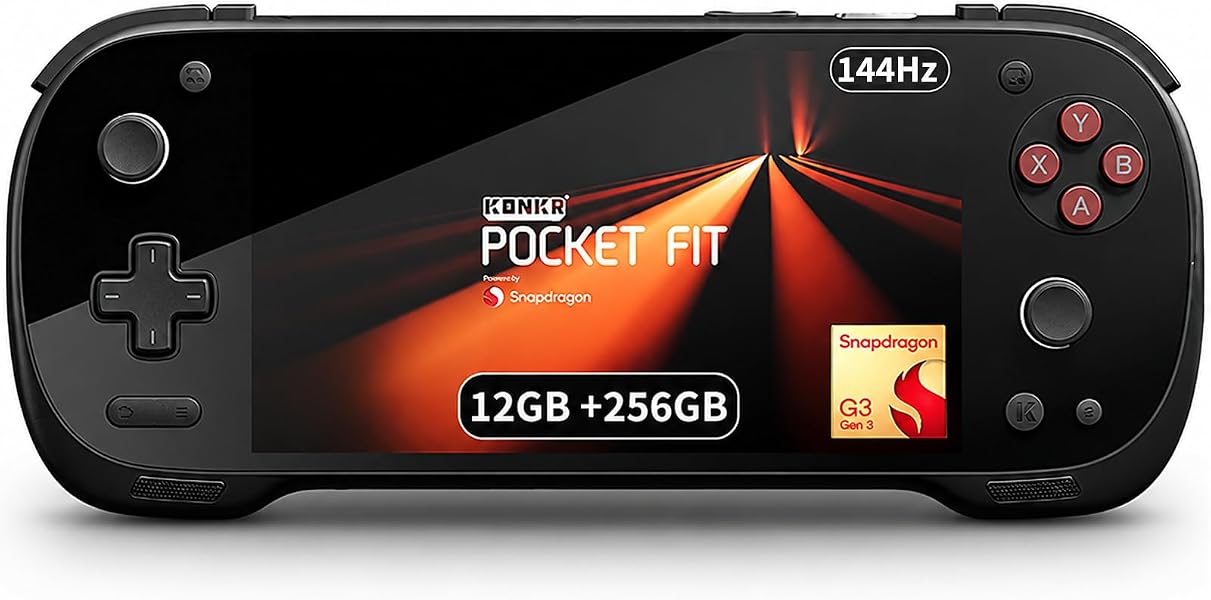
Local models in a pocket, in a machine you would buy anyway for the games. A Windows handheld with proper RAM runs quantised models on a train, and that is where the edge argument finally lands with most people.
View on AmazonAs an Amazon Associate, AI Universe City earns from qualifying purchases. Prices link to Amazon and may change; the picks above are what we actually use in the Labs.