Writing code became reviewing code, and building an app became describing it. Where that genuinely pays off, what to watch for, and what it means if you have never written a line.
Two shifts happened at once and people keep discussing them as one. Assistants moved inside the editor and turned writing code into reviewing code: GitHub Copilot finishes your lines while you work, and tools like Cursor let you point at half a project and ask for changes across it. Separately, prompt-based builders turned "I wish something existed for this" into a working thing you can click on by lunch. Neither is a gimmick anymore, neither is finished, and both reward the same skill, which is knowing what to check.
Where the assistants are genuinely good
The boring 70% of any feature is theirs: boilerplate, glue, the CSV parser, the test harness, the API call nobody wanted to write by hand. They are also excellent at reading. Dropping an unfamiliar file into a chat and asking what this actually does, in order, gives senior engineers an hour back most days. And first drafts changed the emotional math of starting a project. An empty file is less frightening when the machine sketches it with you.
What they still get confidently wrong
They will write code that works in the demo and fails at 2 a.m., because a demo is exactly what a next-token machine optimises for by accident. The usual catalogue: a handler that assumes the file exists, a query that would take the whole table, a snippet from a 2021 tutorial with 2021's security holes. The skill that replaced typing speed is reading generated code with suspicion, and suspicion has a cheap form. Ask three questions of anything the assistant wrote: what happens when the input is empty, what happens when it is huge, and who else can reach this endpoint. A beginner who learned to ask those three is dangerous in the good way. A beginner who trusts the autocomplete is shipping a bug farm and will find out through customers.
If you cannot code, which is now a smaller club than it looks
A prompt builder can take your idea to a clickable prototype in a weekend, and that is real value, because the prototype answers the expensive question (do people want this?) before you hire anyone. What the builder cannot do is know which thirty percent of your thing deserves protection. Your checkout, your customer data, anything that touches money: spend one professional day reviewing what you built before launch. That single day is the difference between a scrappy validation and a cautionary tale, and it is a rounding error next to a development contract.
If your aim is working with software instead of shipping it, the assistants are already good enough to justify the decision. Reading a diff is a weekend. Fixing one is a month of evenings. Both are shorter than the year people assumed, and the person who can read the diff is the person the tool actually works for.
Kit for this lesson

The one-box answer for members who want the coding agent and a local model in the same room. 48GB of unified memory is what makes that sentence possible in a laptop.
View on Amazon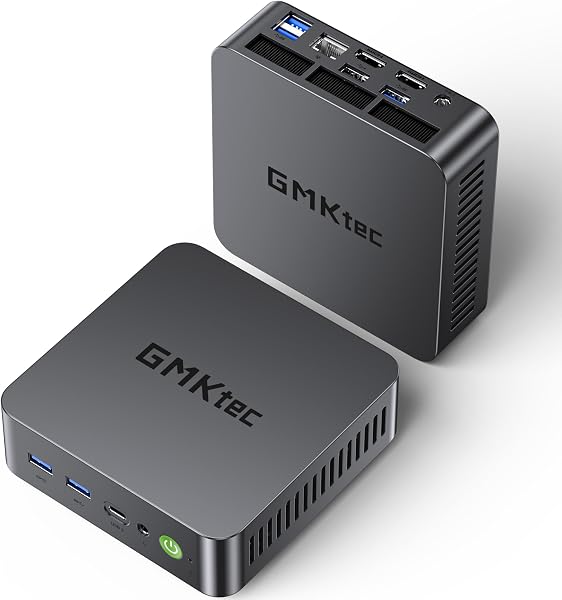
About $800 of mini PC with 32GB and an NPU. It runs a coding assistant's local loop all day without a fan you can hear, which matters more than the spec sheet suggests.
View on AmazonAs an Amazon Associate, AI Universe City earns from qualifying purchases. Prices link to Amazon and may change; the picks above are what we actually use in the Labs.