Ask a plain model about your return policy and it invents one. Retrieval-Augmented Generation is the fix, and the name is the whole idea. What to expect, what it costs, and when to skip it.
Suppose your ten-page return policy lives on a drive and your customer-service assistant should know it cold. A raw model knows nothing about your policy. Paste all ten pages into the prompt and you burn tokens on every question, and the answer still goes vague somewhere inside the wall of text. The fix has a long name and a short idea: first retrieve the two paragraphs that matter from your own documents, then generate the answer from only those. Retrieval-Augmented Generation. That is the entire concept.
The pipeline, in order
You cut the documents into chunks, roughly a paragraph each. Too big and retrieval turns mushy, too small and the model never sees enough context to be right. If your documents are PDFs, budget the boring hours for cleaning them, because a chunk that lost its table structure is a chunk of pretty nonsense.
You index the chunks so a question can find them, which today means a blend of keyword search and meaning search (the embeddings part). And on every question, the system pulls the top handful of chunks, shows them to the model with instructions to answer from those pages only, ideally with citations. Citations are not decoration. They turn a plausible answer into a checkable one, and checking is the part a human should keep.
What goes wrong in week two
The disappointments are rarely the model's fault. Answers that live in spreadsheets stay invisible to prose search, so your pricing questions still fail; that needs a structured path, not a bigger embedding model. Questions that span ten documents outrun a system that only retrieves three chunks; that needs query planning. And the universal one: your documents disagree with each other, because someone updated the 2024 policy but not the FAQ. A RAG on contradictory documents will quote the wrong page with total confidence. Most failed RAG demos are filing problems wearing an AI costume, and the fix is a spring clean with a search box attached.
Costs, since everyone asks: indexing a few thousand documents runs from pennies to a handful of dollars through a hosted embedding API, then fractions of a cent per question once you cache. The real expense is the afternoon you spend tending the documents, which is exactly the afternoon that makes it work.
When to skip it
If the answers are not written down anywhere, you have a knowledge-capture problem and no vector database fixes that. If the whole corpus fits comfortably in the prompt, just put it in the prompt; twenty pages of context is cheap and models read it carefully now. RAG earns its keep when the pile is bigger than a window, changes on its own schedule, and people need the answer to be traceable. Those three conditions are a better buying guide than any vendor comparison.
Kit for this lesson
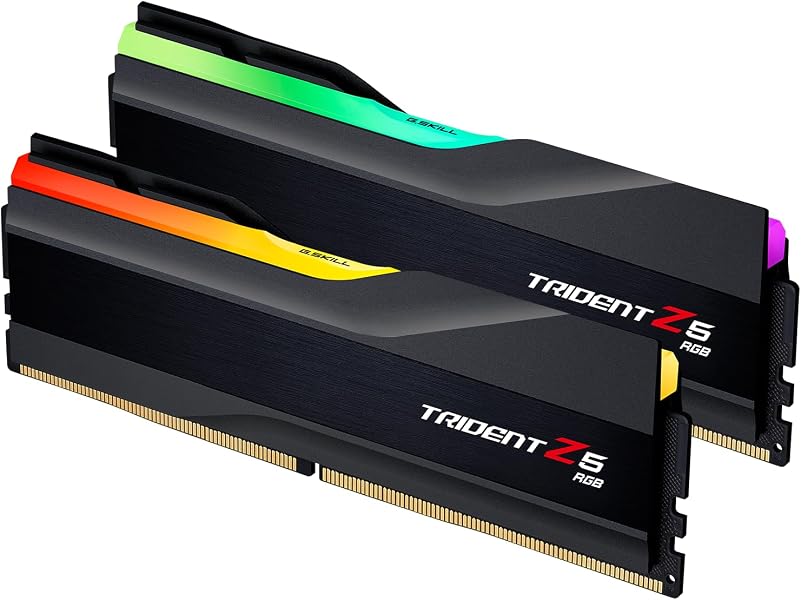
Indexing a big pile of documents is memory-hungry before it is GPU-hungry. 64GB of fast DDR5 turns an overnight embedding job into a coffee break.
View on Amazon
A home RAG stack wants one box that holds everything. This tiny Ryzen AI machine fits a local model, a vector database and the docs folder into a 32GB budget.
View on Amazon
You will stare at retrieved chunks next to their sources for hours. A 32-inch 4K panel is the cheapest quality-of-life upgrade in the whole build.
View on AmazonAs an Amazon Associate, AI Universe City earns from qualifying purchases. Prices link to Amazon and may change; the picks above are what we actually use in the Labs.